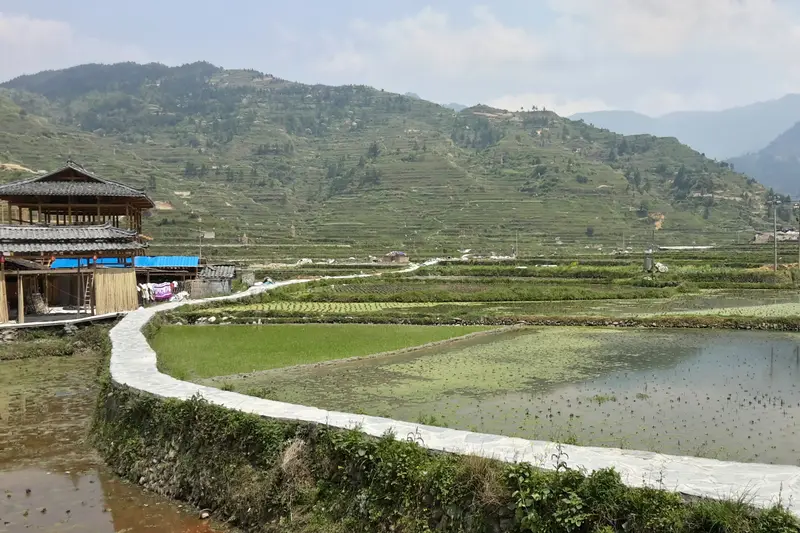
Huangguoshu Waterfall, Libo & Miao Villages
Asia\'s largest waterfall, emerald karst rivers in Libo, and the world\'s largest Miao village — Guizhou is China\'s most underrated province.
5-6 Days
Cover Guizhou's three highlights at a comfortable pace — waterfalls, karst rivers, and minority villages.
Guiyang → Anshun → Libo → Kaili
Connected by new high-speed trains (the Guiyang-Libo line opened 2023). A loop from Guiyang.
Huangguoshu, Libo, Miao Villages
Asia's largest waterfall, UNESCO karst rivers, and the world's largest Miao village — Guizhou's greatest hits.
The Journey
Guizhou is the province that even Chinese tourists sleep on. It sits between Yunnan, Sichuan, and Guangxi, and has the best of all three: karst landscapes like Guilin, minority cultures like Yunnan, and spicy-sour food that rivals Sichuan. The infrastructure has improved dramatically — high-speed trains now connect the major towns — but foreign tourists are still rare. This route covers Guizhou\'s three highlights: Huangguoshu Waterfall (Asia\'s largest at 77.8m high and 101m wide), Libo\'s UNESCO karst rivers (think Guilin but with emerald-green water and one-tenth the tourists), and the Miao minority villages around Kaili.
Day 1: Guiyang → Huangguoshu
Fly into Guiyang Longdongbao Airport (KWE). Take the 30-minute high-speed train from Guiyang North to Anshun West, then a 40-minute bus to Huangguoshu Waterfall. The waterfall is 77.8m high and 101m wide — Asia's largest. Walk the path behind the waterfall through the 'Water Curtain Cave' (prepare to get wet — the spray is intense). The scenic area also includes Doupotang Waterfall (wider but shorter) and Tianxingqiao (a karst stone forest with bonsai trees and natural bridges). Spend 4-5 hours. Return to Anshun or Guiyang for the night.
Local tip: Huangguoshu charges an entrance fee (lower in winter). The Water Curtain Cave is the highlight — you walk behind a 77m curtain of water. A raincoat is essential (vendors sell them at the entrance). Wear shoes with grip — the path is wet and slippery.
Day 2: Guiyang → Libo
Take the high-speed train from Guiyang North to Libo (1.5 hrs — opened 2023, this line transformed Libo accessibility). Libo is a UNESCO World Heritage site of karst cone peaks, emerald rivers, and primeval forest. Check into your hotel, then visit the Small Seven Arches (Xiaoqikong) scenic area: a 1.5 km walking path along an emerald river past seven small stone bridges, waterfalls, and forest. The water colour is unreal — a milky turquoise from dissolved limestone.
Local tip: Libo's water really is that colour — no filters needed. The Small Seven Arches ticket includes the shuttle bus (slightly cheaper in winter). Go after 3pm when the morning tour groups have left — the light is better and the path is quieter.
Day 3: Libo Full Day
Morning: Daqikong (Big Seven Arches) scenic area — less famous than Xiaoqikong but arguably more dramatic, with a massive natural stone arch and a canyon walk along a turquoise river. Afternoon: explore Libo's countryside — the karst cone peaks here look like Guilin but are surrounded by rice paddies and Buyi minority villages instead of tourist shops. Rent an e-bike and cycle the country roads.
Local tip: The Buyi people are Guizhou's largest minority. Their villages around Libo have stone houses with distinctive tiled roofs. Yaojia Village (瑶寨) is a Buyi village 5 km from Libo town — walkable, and you will be invited in for tea if you show genuine interest.
Day 4: Libo → Kaili
Take the train from Libo to Guiyang (1.5 hrs), then transfer to a high-speed train to Kaili (40 min). Kaili is the capital of the Qiandongnan Miao and Dong Autonomous Prefecture — the heart of Miao country. Afternoon: visit the Kaili Ethnic Minorities Museum (free, excellent context on Miao, Dong, and other Guizhou minorities) and the old street market. Evening: sour soup fish (酸汤鱼) — Guizhou's signature dish.
Local tip: Sour soup fish (酸汤鱼) is a Guizhou invention — river fish poached in a broth of fermented tomatoes, pickled chillies, and wild herbs. It is sour, spicy, and unlike anything in Sichuan or Yunnan. The best is at Kaili's Laoteng Sour Soup Fish (老腾酸汤鱼).
Day 5: Xijiang Miao Village
Take a 1-hour bus from Kaili to Xijiang Qianhu Miao Village (西江千户苗寨) — the world's largest Miao village, with 1,400 households built into a hillside amphitheatre. The wooden stilt houses (diaojiaolou) stack up the mountain in layers, and at night the lights make the whole hillside look like a galaxy. Walk through the village, visit the Miao embroidery workshop, and watch the daily dance performance at the central square. Stay overnight in the village — the night view from the observation platform is the reason to come.
Local tip: Xijiang charges an entrance fee. The village is touristy (Chinese tourists, not Western) but still genuinely inhabited by Miao people. The best experience is walking the back lanes away from the main street, where grandmothers sit in doorways doing embroidery and children play in the alleys. The night view from the observation platform is best around 8pm when all the houses are lit.
Day 6: Kaili → Fly Out
Return to Kaili (1 hr). If your flight is in the evening, visit Langde Miao Village — a smaller, less touristy alternative to Xijiang (40 min from Kaili). Langde has a traditional welcome ceremony with rice wine at the village gate. Alternatively, visit a Dong village — Zhaoxing (3 hrs from Kaili) is the most famous Dong village with a drum tower and wind-rain bridge. Fly out from Guiyang in the evening.
Local tip: Langde Miao Village has a modest entrance fee but the welcome ceremony (12-gun salute and rice wine) is included. The rice wine is strong — take a symbolic sip, don't drink the whole bowl unless you want to be carried back to the bus.
This is a suggested itinerary. Every journey we design is tailored to your interests, pace, and budget.
Ready to Plan Your China Journey?
Tell us about your dream trip. We will send you a personalized proposal — no obligation, no pressure.
Or call us: +44 20 XXXX XXXX
Continue Exploring
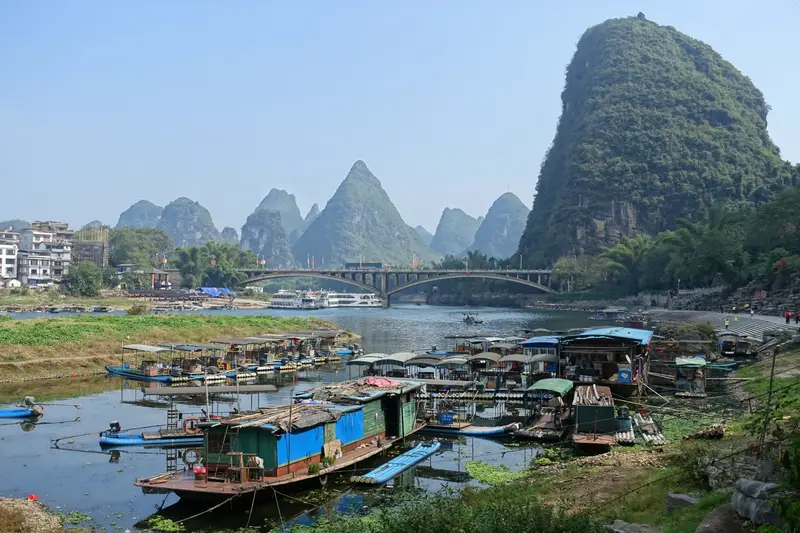
Classic Guilin Route
Combine Guizhou with Guangxi's iconic karst landscapes and the Li River.
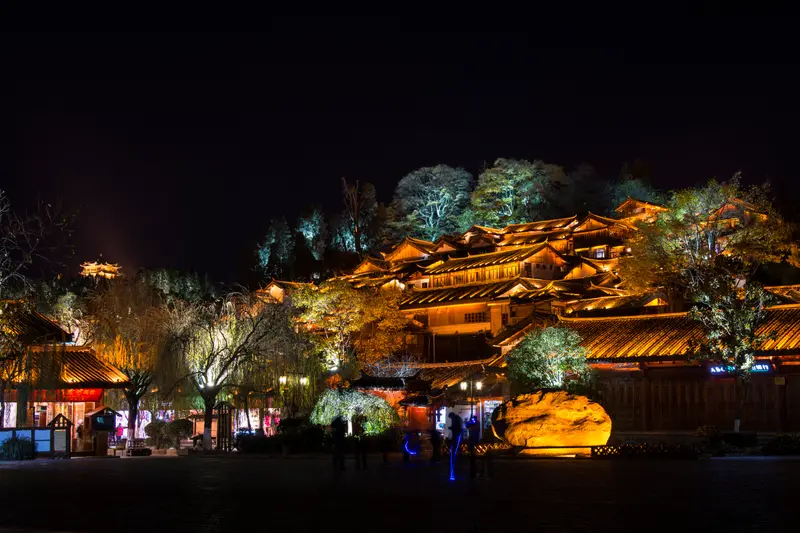
Classic Yunnan Route
Continue west to the ancient towns, mountain landscapes, and Tibetan culture of Yunnan.
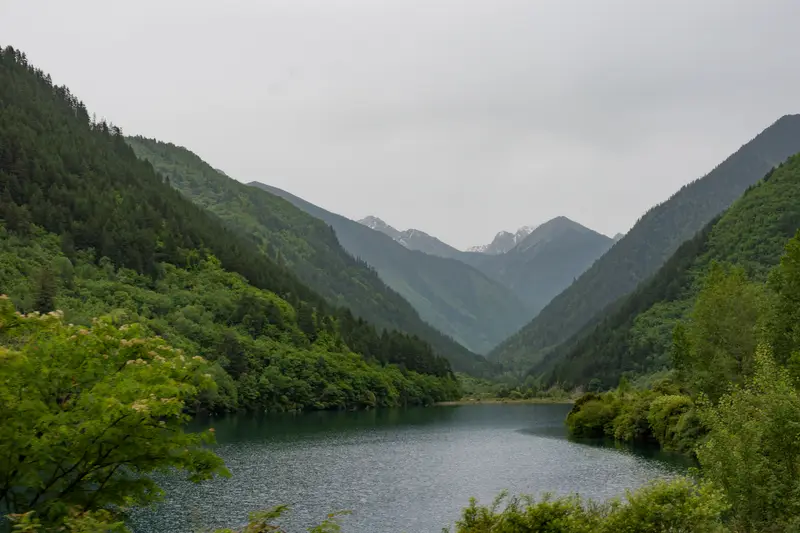
Chengdu & Jiuzhaigou
Head northwest to Sichuan for pandas, spicy hotpot, and turquoise alpine lakes.