Hangzhou, Wuzhen & Moganshan: Tea, Water Towns & Mountain Retreats
Hangzhou\'s tea terraces at dawn, Wuzhen\'s lantern-lit canals after the day-trippers leave, and Moganshan\'s bamboo forests — a slower, deeper Yangtze Delta.
5-6 Days
A slower, more atmospheric Yangtze Delta — tea at the source, canals after dark, and bamboo forests in the clouds.
Hangzhou → Wuzhen → Moganshan
Skip Suzhou's crowded gardens for something quieter — a water town overnight and a bamboo-covered mountain retreat.
West Lake, Wuzhen at Night, Moganshan Bamboo
Tea terraces, lantern-lit canals, and 1920s stone villas in the mountains.
The Journey
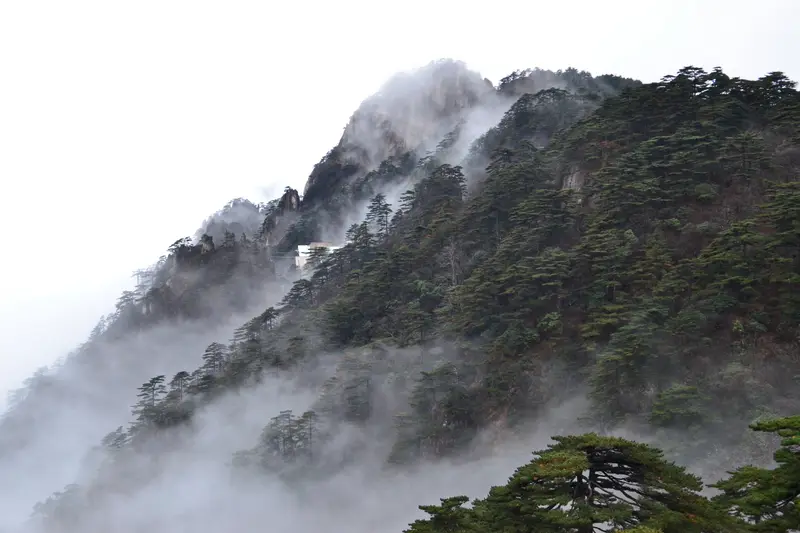
This route skips Suzhou\'s crowded gardens for something quieter: Wuzhen, a water town that is best experienced overnight when the day-trippers are gone, and Moganshan (Mount Mogan), a bamboo-covered mountain retreat where Shanghai\'s elite built stone villas in the 1920s. It is a slower, more atmospheric Yangtze Delta — tea at the source, canals after dark, and bamboo forests in the clouds.
Day 1: Shanghai → Hangzhou
Take the 1-hour train from Shanghai to Hangzhou. Afternoon: West Lake — walk the Su Causeway, visit the Leifeng Pagoda for the lake panorama, and sit at a lakeside tea house. Evening: dinner at Louwailou (楼外楼, est. 1848) — Hangzhou's most famous restaurant, serving West Lake vinegar fish and dongpo rou on the lake shore.
Local tip: Louwailou is a historic institution and the lakeside setting is magnificent — but some say it rests on its reputation. The location, right on the water with views of the pagoda, is unbeatable. Book a window table. The West Lake vinegar fish (西湖醋鱼) is the dish to order.
Day 2: Hangzhou Tea Culture
Early morning: cycle to Longjing tea village (龙井村) before the tour buses arrive. Walk through the tea terraces to the China Tea Museum. Midday: lunch at a tea farmer's house — they will cook simple Hangzhou dishes and serve their own tea. Afternoon: visit Meijiawu (梅家坞), a less touristy tea village further into the hills. Learn to brew Longjing tea properly — 80°C water, not boiling, steeped for 2-3 minutes in a glass cup so you can watch the leaves unfurl.
Local tip: Longjing tea should be brewed at 80°C, not boiling. Boiling water scalds the leaves and makes the tea bitter. If you are at a tea farmer's house and they pour boiling water on the tea, they are serving you low-grade leaves that can handle the heat. Good Longjing is brewed with water cooled for 2-3 minutes after boiling.
Day 3: Hangzhou → Wuzhen
Take a 1-hour bus from Hangzhou to Wuzhen. Wuzhen (乌镇) is one of China's six famous water towns, but the only one truly worth staying overnight. Check into a hotel inside the West Gate scenic area (book 2-4 weeks ahead). Afternoon: explore the West Gate — the indigo fabric workshop, the wedding museum, the ancient bed museum (surprisingly interesting). Walk the canals, cross the stone bridges. Evening: this is why you came. After 5pm, the West Gate empties of day-trippers. The lanterns come on. The canals become mirrors. Walk the bridges in near solitude. Dinner at a canal-side restaurant.
Local tip: Wuzhen West Gate requires an entrance ticket, but if you stay inside the scenic area you pay once and can come and go. The hotels inside are run by the Wuzhen management company — consistent quality in restored Ming-Qing courtyard buildings. Book on the official Wuzhen website or Trip.com. The cheaper guesthouses outside the gate mean you miss the empty night-time canals, which is the entire point of Wuzhen.
Day 4: Wuzhen → Moganshan
Morning: visit Wuzhen's East Gate (东栅) — older, less polished, with residents still living in the old houses. The East Gate has a lived-in quality the West Gate lacks. After lunch, take a Didi to Moganshan (1.5 hrs). Moganshan (莫干山) is a bamboo-covered mountain at 700m where Shanghai's colonial elite built stone villas in the 1920s to escape the summer heat. It is now China's most famous mountain resort — boutique guesthouses, bamboo forests, and hiking trails. Check into a guesthouse and walk the villa trail.
Local tip: Moganshan is a 1.5-hour drive from Wuzhen. There is no train — you need a private car or Didi. The mountain road is winding — take motion sickness pills if you are prone. The temperature is 5-8°C cooler than Hangzhou — it genuinely is a summer escape.
Day 5: Moganshan → Shanghai
Morning: hike the Bamboo Forest Trail (2-3 hours) — a network of stone paths through dense bamboo groves that filter the light into green. Visit the Moganshan Villa (蒋介石官邸), where Chiang Kai-shek stayed in the 1930s, and the Sword Pond (剑池), a waterfall and pool where swords were supposedly forged 2,500 years ago. Afternoon: drive back to Shanghai (2.5 hrs by Didi) or take a bus from Deqing to Shanghai (2.5 hrs). Fly out in the evening or stay the night.
Local tip: Moganshan is about atmosphere, not sights. The villa trail, the bamboo forest, the morning mist — it is a place to slow down, not check off a list. The best guesthouses (naked Retreats, Le Passage Mohkan Shan) are design-forward retreats with mountain views and book out weeks in advance. Mid-range guesthouses are still charming, many in converted stone villas with excellent local food.
This is a suggested itinerary. Every journey we design is tailored to your interests, pace, and budget.
Ready to Plan Your China Journey?
Tell us about your dream trip. We will send you a personalized proposal — no obligation, no pressure.
Or call us: +44 20 XXXX XXXX